
Free Consultations703-542-4500

Blog
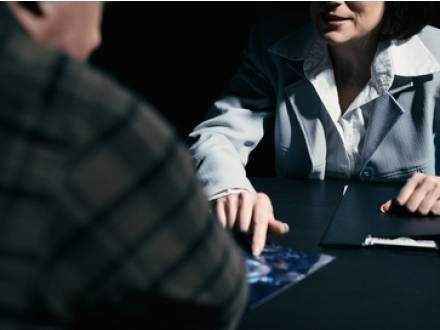 If police execute a CSAM search warrant at your home in Fairfax County and then ask to speak with you, the first thing to understand is that the interview is not just a conversation. It may feel like detectives are giving you a chance to explain things, clear up the situation, or help yourself, but they are not. By the time police are asking questions after a search warrant, they are usually trying to complete a case before bringing charges.
If the police have seized your devices and now they want to talk to you, meet with an Arlington County CSAM defense attorney before you do anything else.
It might not feel like it at the moment, but an interview after a warrant is not an opportunity to tell your side of the story. In CSAM investigations, the digital evidence alone may not answer every question the Commonwealth needs answered. Detectives may want to know:
Your answers to those questions can become evidence against you.
Under pressure, people guess. They try to be helpful. They answer questions about devices they have not touched in years or accounts they barely remember. In a case built on digital forensics, an inaccurate statement, even one made in good faith, can create problems that did not exist before the interview.
This is especially true right after a search. Police may have taken phones, computers, hard drives, and tablets from your home, but they may not have completed their forensic review yet. They may be working with only part of the picture. A statement you make today can hand them a connection between a device, an account, and a person, which they might not have been able to make on their own.
Attribution is the legal question of who actually did what. It is one of the most important issues in any CSAM case and it can be surprisingly difficult for police to figure out.
Consider the following:
Detectives know that attribution is a gap they need to close, which is exactly why they want to talk to you. This means that questions about passwords, usernames, file-sharing applications, and who had access to which devices are not casual background questions. They are targeted at the specific issues the government needs to prove. Answering them without understanding what police already have is a significant risk.
It’s not always a bad idea to talk to police, but you shouldn’t do it before you know what you are dealing with. There are situations where communicating with law enforcement may make sense. There are others where it would only make things worse. That decision should only be made with the help of your defense attorney.
As of 2026, the Virginia Computer Crimes Act gives investigators broad authority in digital evidence cases, and Stafford County and Fairfax County law enforcement are experienced in executing these warrants and following up with interviews. The paperwork left behind after a search contains important information about what they were looking for and what they took. Reviewing it carefully is the first step.
If police have executed a search warrant at your home and are asking to speak with you, don’t manage that conversation alone. A Stafford County child pornography criminal defense attorney at Noorishad Law, P.C. will review the warrant, the seized devices, and the full circumstances of the investigation before advising you on what to do next. Call 703-542-4500 today for a confidential consultation.

Noorishad Law, P.C.
8200 Greensboro Drive, Suite 900
McLean, VA 22102
(By Appointment Only)
703-542-4500 - Office
703-636-8945 - Fax


Reach out to us by filling out the form below or calling 703-542-4500. We are available 24/7 to address your needs, and we will provide you with a free consultation.

From our office in McLean, VA, Noorishad Law, P.C. provides legal help to clients and their families throughout the area, including Fairfax County, Arlington County, Loudoun County, Prince William County, Alexandria, Annandale, Arlington, Ashburn, Broadlands, Burke, Cascades, Centreville, Dale City, Dumfries, Fairfax, Falls Church, Gainesville, Haymarket, Herndon, Lake Ridge, Leesburg, Manassas, Montclair, Occoquan, Purcellville, Quantico, Reston, Stafford, South Riding, Springfield, Sterling, Stone Ridge, Sugarland Run, Tysons Corner, Vienna, Woodbridge, and Woodburn.
Results listed are not a guarantee or indication of future case results.