
Free Consultations703-542-4500

Vienna DUI Defense Lawyer
We challenged the breath test and officer observations, winning dismissal at a motion to strike in trial.

If you're looking for a profesional, knowledgeable team that CARES, look no further
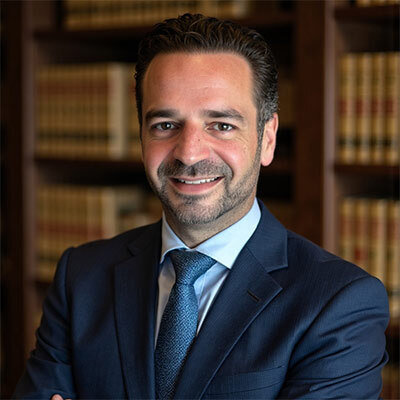
As the owner, founder, and managing attorney of Noorishad Law, P.C., Kaveh concentrates his practice in criminal and civil litigation across Virginia. Committed to helping people through difficult legal matters, he offers a free initial consultation.
125+ Star Reviews
I had a great experience working with Mr. Noorishad. He handled my case with confidence and was able to get my charges dismissed, which was the biggest relief for me. I can't recommend him enough...
When a person is arrested for driving under the influence (DUI), they may not know what to do next. In these situations, people may feel like the outcomes of their cases have already been decided. However, there are a number of options that may be available to defend against DUI charges and minimize the impact of an arrest. Legal representation can be essential in these situations, and a skilled attorney can determine what steps can be taken to resolve a case successfully.
At Noorishad Law, P.C., our lawyer can provide the legal help needed to address charges of driving under the influence of alcohol, drugs, or other substances. He understands the options that are available in these situations and the steps that can be taken to prevent a conviction and limit the ways a person's life may be affected. He can help clients protect their driving privileges, their records, and their futures.
Driving while under the influence of any substance that causes impairments that affect a person's ability to operate a vehicle safely can lead to an arrest for DUI. Officers may rely on several types of evidence to support DUI arrests, and the specific factors involved in a case may depend on the substances a person is accused of using.
Most DUI arrests involve accusations of drunk driving. When an officer pulls a driver over, they may look for signs that the person has been drinking alcohol, such as redness in the eyes, slurred words or other difficulties speaking, or the smell of alcohol on a person's breath or clothing. Officers may take steps to gather additional evidence of impairment, such as asking a driver to blow into a portable breathalyzer device or take field sobriety tests on the side of the road. When the information gathered provides probable cause to believe that a driver is drunk, the officer may arrest them.
DUI charges may also be based on the use of different types of drugs that can impair a person's driving ability. An officer may suspect that a driver has been using marijuana based on the smell of marijuana plants or smoke. A driver's behavior may also cause an officer to believe that they have been using marijuana or other drugs. Roadside breath tests generally cannot determine whether a person is under the influence of drugs, so officers may use field sobriety tests, or they may arrest drivers based on observations of behavior that indicates drug intoxication.
A person can also be charged with DUI based on their use of prescription medications, over-the-counter drugs, or other substances, including combinations of different substances that can increase a person's level of impairment. Even if a medication was legally prescribed and taken as directed, a person could face DUI charges based on claims by an officer that their ability to drive safely was impaired.
While misdemeanor DUI charges will typically apply for a first-time or second-time intoxicated driving charge, there are some cases where a DUI charge may be classified as a felony, including:
If a person is charged with intoxicated driving after being convicted of DUI twice within the past 10 years, the third offense will be classified as a felony offense. The sentences in these cases are likely to be higher, and they will often include a mandatory minimum term in jail.
When a person has been accused of driving while intoxicated and causing an accident, they could face felony charges if someone was injured or killed in the collision. The specific charges may depend on whether injuries were considered to be serious, and an offense that allegedly resulted in death may be classified as manslaughter. The jail sentences that may apply in these cases may last for several years or more.
A person who is charged with driving under the influence during a period when their driver's license had been suspended or revoked because of a previous DUI offense will face serious penalties. These offenses will typically be classified as felonies, and the sentence a person may face may increase based on the factors involved in a case.
DUI While a Minor Was in the Vehicle
A child passenger can increase the severity of DUI charges. In these cases, a person could be charged with a felony based on accusations that drunk driving involved child endangerment.











Under Virginia's implied consent law, you are required to submit to a breath or blood test after being arrested for DUI. If you refuse a test, your driver's license will be automatically suspended. Notably, the implied consent law only applies to tests performed after an arrest. You are allowed to refuse a roadside breath test or any other tests requested by a police officer during a traffic stop.
Depending on the facts of a case, it may be possible to negotiate with the prosecutor to reduce DUI charges to a lesser offense, such as reckless driving. Our attorney can provide guidance on what options may be available, and he can negotiate on your behalf to help you resolve your case successfully.
The DUI laws in Virginia treat impairment by alcohol, drugs, or a combination of substances the same. The same penalties may apply for a DUI conviction in a case involving marijuana or alcohol. However, different types of cases may involve different facts and evidence. Because marijuana cannot be measured in a person's breath, blood tests may need to be performed to determine whether a person is under the influence of marijuana.
Legal representation can be crucial in any DUI case, including charges of first-time DUI. A conviction on first-time DUI charges can lead to fines, potential jail time, the suspension of a driver's license, and a permanent criminal record. Our lawyer can provide the representation needed to resolve a case while minimizing the potential penalties.
Strict rules apply for drivers who are younger than 21 years old. It is illegal for an underage driver to operate a vehicle after consuming alcohol. While the legal limit for blood alcohol concentration (BAC) for adult drivers is .08 percent, underage drivers may face DUI charges if they are accused of driving with a BAC of .02 percent.
Underage DUI is a Class 1 misdemeanor. A minor who is convicted of DUI will lose their driver's license for one year, and they will also be required to pay a minimum fine of $500 or perform at least 50 hours of community service. If a minor allegedly exceeded the legal limit of .08 percent while driving, they may face the same penalties that would apply to an adult who is convicted of DUI.
Our lawyer can review the evidence involved in a DUI case and other factors related to an arrest to determine what options for defense may be available. Depending on the situation, he may take steps to defend against a conviction by:
Because of the serious consequences of DUI charges, anyone who has been arrested for intoxicated driving will need to make sure they have a skilled lawyer on their side. At Noorishad Law, P.C., we can help you understand what steps to take after being arrested and what you can do to avoid a conviction or reduce the penalties that you may face. Contact our Vienna, VA DUI defense attorney at 703-542-4500 to schedule your free consultation today.
People in Vienna who face criminal charges will usually have their cases heard at the Fairfax County Circuit Court, located at:
We represent clients in Fairfax County from our office in McLean, located at:

Noorishad Law, P.C.
8200 Greensboro Drive, Suite 900
McLean, VA 22102
(By Appointment Only)
703-542-4500 - Office
703-636-8945 - Fax


Reach out to us by filling out the form below or calling 703-542-4500. We are available 24/7 to address your needs, and we will provide you with a free consultation.

From our office in McLean, VA, Noorishad Law, P.C. provides legal help to clients and their families throughout the area, including Fairfax County, Arlington County, Loudoun County, Prince William County, Alexandria, Annandale, Arlington, Ashburn, Broadlands, Burke, Cascades, Centreville, Dale City, Dumfries, Fairfax, Falls Church, Gainesville, Haymarket, Herndon, Lake Ridge, Leesburg, Manassas, Montclair, Occoquan, Purcellville, Quantico, Reston, Stafford, South Riding, Springfield, Sterling, Stone Ridge, Sugarland Run, Tysons Corner, Vienna, Woodbridge, and Woodburn.
Results listed are not a guarantee or indication of future case results.